

Using Vibe Coding, I built a simulation-style dating and relationship-building interactive map system for the tavern in SillyTavern—and realized: maybe we really can make indie games with AI now!
First, a quick intro to SillyTavern:
SillyTavern is a locally-run AI character chat frontend. You can load character cards, connect to large language models via an API key, and engage in long-term narratives involving RPG, romance, adventure, or nurturing gameplay. It’s more like a programmable text-based game engine.
The plugin I created this time accompanies one of my favorite character cards. The map faithfully recreates, 1:1, the surrounding environment described in the worldbook.
But the real highlight isn’t just its visual appeal—it’s actually playable:
Intelligent Travel System
Click any location to instantly generate a narrative prompt, such as:
invites {{char}} to visit {{location}}
—triggering the AI to auto-generate the next part of the story with one click.
In-Depth Base Exploration
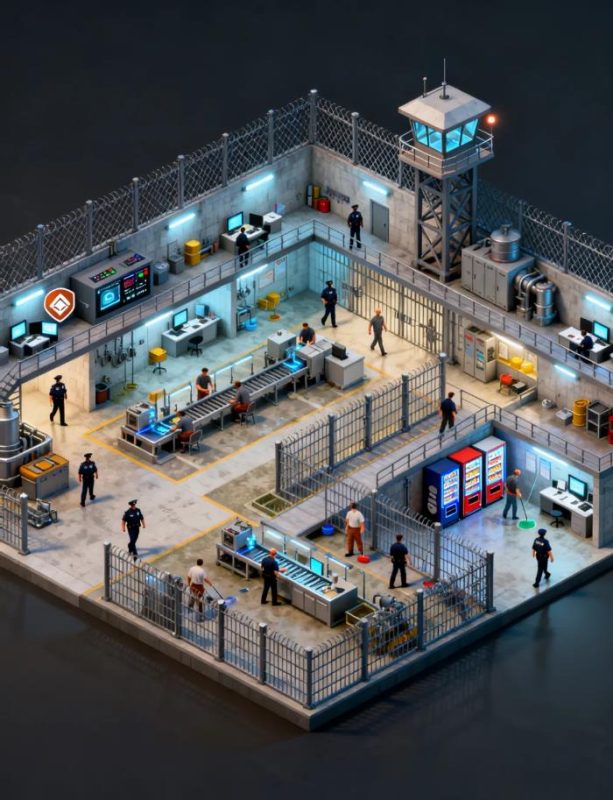
nanobanana drew a detailed vertical layout of the entire base—from the rooftop terrace down to the first-floor lobby—with every floor clickable to enter different rooms.
Highly Customizable
You can swap map backgrounds and drag landmarks to reposition them freely.
Includes three built-in UI themes: Black & Gold, Blue & White, and Pink & White.
Even crazier:
The map was illustrated by nanobanana, while the code was written by Gemini 3 based entirely on my sentence-by-sentence descriptions of the requirements.
When you truly become immersed in a fictional world,
you start wondering:
What if it weren’t just dialogue—but had an actual map?
What if I could click into every floor described in the story?
What if it weren’t just about reading a narrative—but offered more interactive systems to play with?












暂无评论内容