

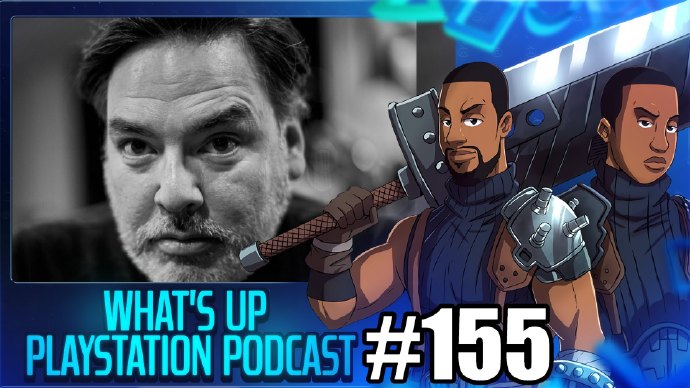
Shawn Layden, former head of PlayStation, has recently shared his insights on the decline of the Electronic Entertainment Expo (E3), stating that the iconic event’s failure to transition from a trade show to a consumer-focused exhibition—rooted in an unclear identity—ultimately led to its downfall. During his tenure at Sony, Layden was a frequent presence at E3, delivering keynote speeches and engaging with industry professionals from around the globe.
Officially known as the Electronic Entertainment Expo, E3 was an annual Los Angeles-based event with a over two-decade legacy of shaping the gaming industry. Held consistently from 1995 to 2019, E3 staged its final edition in 2021 and has not been revived since. At its peak, E3 was revered by gamers worldwide, who eagerly anticipated the stunning, meticulously crafted demos from major publishers—content so impactful it would dominate media headlines for days. While developers still unveil exciting trailers at events like Summer Game Fest and The Game Awards today, many gamers argue no other event has been able to unify the industry quite like E3 once did.
In a recent interview, Layden minced no words when discussing E3’s decline: “It didn’t know what it wanted to be.” He explained that E3, launched in 1995, was inherently a trade show, with its core function being to connect publishers with retailers. Retail representatives would scout for products suitable for their stores at the expo, while developers showcased their upcoming titles to secure purchasing commitments. Layden also emphasized the media’s crucial role at E3—back then, gaming magazines were the primary source of information for players, and gaining journalists’ favor could mean gracing the cover of a September issue, a boon for game marketing.
The rise of the internet changed everything: gaming news became readily accessible, and numerous announcements leaked well before the show. Retailers also gained a much deeper understanding of the gaming market, reducing their reliance on trade show guidance for purchasing decisions. Layden further pointed out that E3’s June timing was far from ideal from a retail perspective—for retailers needing to stock up for the holiday shopping season, June was too late, as such purchasing decisions were typically finalized in January or February. By then, the expo had devolved into little more than a progress update on already contracted products. In Layden’s view, E3 had “lost its core value” as a trade show by this point.
Layden noted that while E3 organizers attempted to incorporate consumer elements, fundamental differences existed between trade shows and consumer expos. Citing the successful Tokyo Game Show as an example, he explained that consumer-focused events should allow players to casually experience a variety of games. In contrast, booths at trade shows were essentially “traps,” designed to keep visitors engaged for as long as possible—since moving to another booth often meant ceding traffic to competitors. Unfortunately, E3 failed to fully transform into a consumer expo and also failed to adapt to the demands of the new era, ultimately sealing its fate. Though E3 is now a thing of the past, emerging events like Summer Game Fest have stepped in to fill the void, continuing to bring gamers the latest updates on upcoming titles.















暂无评论内容